
Mixing and mastering are distinct processes with different goals. Though they share some general techniques and tools, they occur during different phases of music production. Mixing deals with multi-tracked audio from the recording sessions, while mastering is concerned with the stereo mixdown after mixing is completed. Let’s break it down further
Mixing
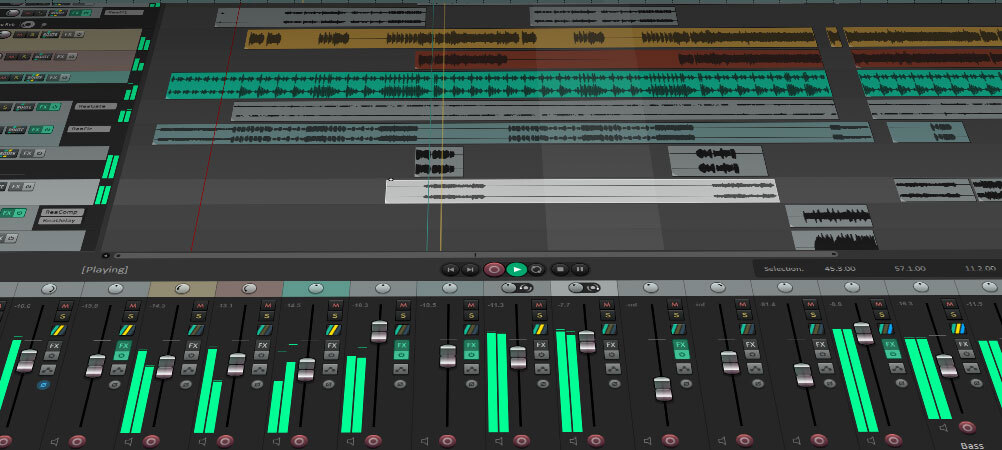
Mixing is the process of combining multiple layers of audio like vocals, instruments, and effects—into a single, cohesive track. so that all the elements can be heard clearly and sound pleasing to the ear.
During mixing, sound engineers adjust levels, pan audio across the stereo field, apply effects such as reverb and delay, and tweak EQ settings to balance frequencies. The goal is to ensure that all elements are harmoniously blended, enhancing the overall sound and clarity of the music, making it ready for the final mastering stage.

Mastering
Mastering is a subtler, more technical step that occurs after the mix is finished—but it’s just as important. The mastering process always takes place once the mix is complete. That means it only acts on the stereo mixdown and cannot affect individual instruments.
This phase focuses on subtle adjustments meant to optimize the audio, rather than sweeping changes or creative directions.
Why master your music?
This pivotal step ensures that your music will be heard the way you intended it to be. A good mastering job makes an album cohesive and balanced across all tracks. Each track is adjusted to have similar sonic qualities so that the album flows smoothly from one song to another, maintaining a uniform feel and volume level. This consistency is crucial for maintaining the listener’s engagement and delivering a satisfying overall experience.


Prepare for Distribution
The goal of mastering is to ensure your audio will sound the best it can on all platforms, especially since music has never been consumed on more formats and devices than today.
Mastering is essential for preparing your music for distribution, whether digital or physical. It ensures that your tracks meet the technical specifications required by streaming services, CDs, vinyl, and other formats to avoid any playback or quality issues after release.